
Key Highlights
- Centralized HSEQ functions under one digital solution
- Safety observations grew from 3,000 to 4,600 per year
- Automated routing eliminated manual observation handling
- Winner of Safe Organization of the Year 2025
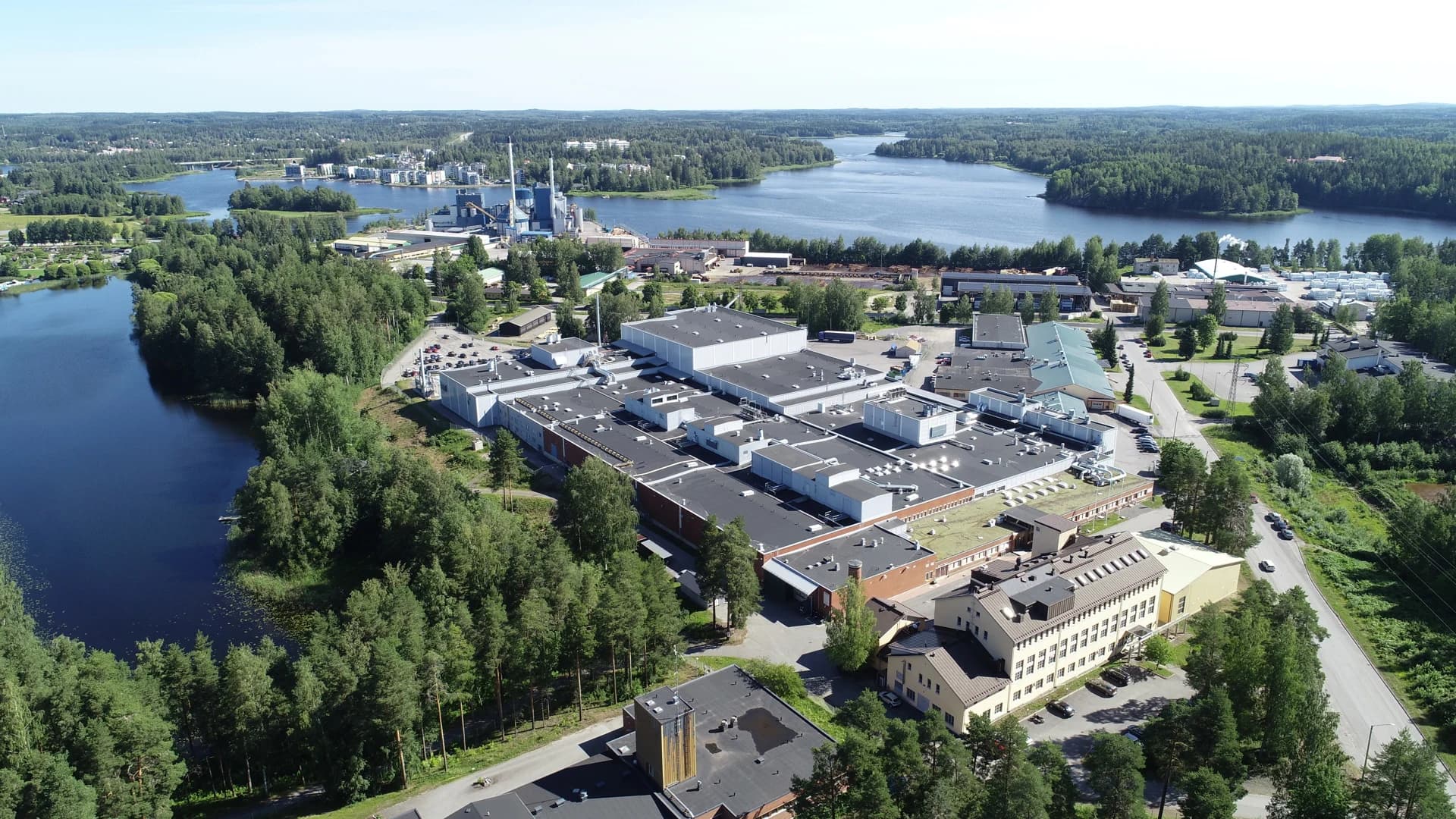
At Mölnlycke Healthcare's Mikkeli factory, safety, quality, and environmental matters are a core part of everyday operations. The factory was awarded Safe Organization of the Year 2025 at the Finnish Security Awards. The business unit employs around 600 people and manufactures wound care products for hospital environments.
The implementation of Gate Apps' HSEQ system has brought together tools that were previously scattered and delivered significant improvements in the effectiveness of safety management.
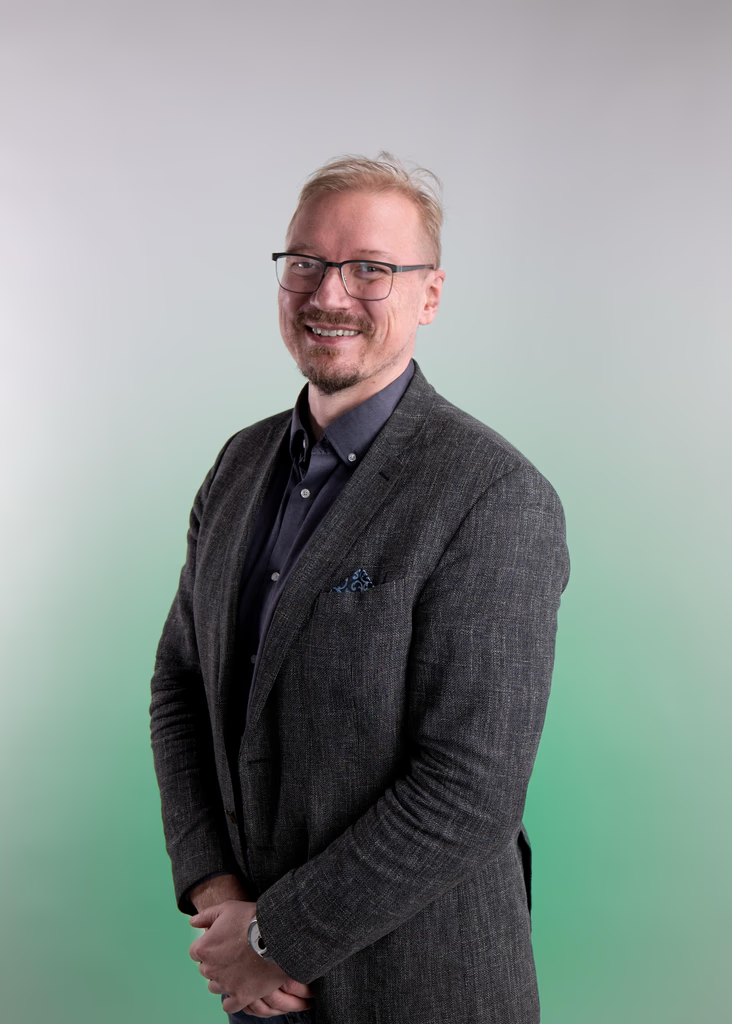
"When I started in my role three years ago, the need was clear: we had several separate systems and wanted to centralize HSEQ functions under one solution," says Mikael Korhola, Safety and Environmental Manager at Mölnlycke's Mikkeli factory.
One system, many uses
Gate Apps' Gate HSEQ system is used extensively at the factory. Through the system, chemical information, safety observations, and improvement ideas, among other things, are managed. Safety observations are recorded in Gate HSEQ using a mobile phone, while their processing is handled in the HSEQ Toolkit for M365 SharePoint environment implemented by Gate Apps, where the data is transferred automatically. Reporting is carried out using Power BI, to which the desired data flows without manual work.
In practice, everyone at the factory makes safety observations. The observations are automatically routed to the correct handlers, such as supervisors, and the system has a few main administrators.
"The biggest benefit is that tracking things is much easier when everything goes through a single system," Mikael continues.
Growing numbers of observations improve safety
One clear indicator of the system's impact is the steady increase in the number of safety observations. In 2023, around 3,000 observations were made; in 2024, the number rose to 3,500; and in 2025 it increased to 4,600 observations.
"When a lot of observations are made, that in itself draws attention to safety," Mikael explains.
The growing number of observations also brings new development needs. In 2026, the use of artificial intelligence is of particular interest, especially in the classification of observations.
"It's a big help if AI can identify the topic of an observation and suggest it on behalf of the handler. It also makes the handler's work easier and faster."
More efficient workflows save working time
Gate Apps' HSEQ system has also changed internal operating models. Previously, handling safety observations was manual: the workday began by reviewing the observations and forwarding them by hand.
"Now the workflow is automated so that observations go directly to the right people, and we save working time previously spent on manual tasks," Mikael notes.
At the same time, the system has helped target development actions to identified areas, such as hand safety and forklift safety, thus having a concrete impact on employee occupational safety at the factory.
Looking ahead: more modules and development
Collaboration with Gate Apps continues actively. Regular meetings ensure that development work progresses and that improvement ideas are put into practice.
"The system has a lot of potential. In addition to AI functionalities, we want to implement a risk assessment module and update risk assessment templates. The work permit module from Gate Apps is also of interest," Mikael says.
Mikael also recommends Gate Apps' HSEQ solution to others:
"Collaboration has worked well and things are advanced systematically. My advice is that before implementation, it's worth creating a clear requirement document outlining your goals and testing the solution carefully against that. When the groundwork is done well, you can get up and running quickly."
“The biggest benefit is that tracking things is much easier when everything goes through a single system”
— Mikael Korhola, Safety and Environmental Manager
Business Outcomes
Frequently Asked Questions
How did Mölnlycke centralize their HSEQ processes?
Mölnlycke replaced several separate systems with Gate Apps HSEQ, bringing safety observations, chemical information management, and improvement tracking into a single platform accessible via mobile and SharePoint.
What impact did the system have on safety observations?
Safety observation volumes grew steadily from approximately 3,000 in 2023 to 4,600 in 2025, demonstrating that an easy-to-use digital system encourages more reporting and better safety awareness.
About the Author
More Case Studies
View all
Digital Work Permit System Simplifies Everyday Operations at Meyer Turku Shipyard
Increased safety and cost savings through mobile application for hot work permit management at one of the world's largest cruise ship builders.
Orion Oyj – Work permits in one view
The story of Orion's hot work permit solution, orientation, and safety application begins from a visit at the Turku shipyard.
YIT Tripla – Real-time safety
Finland's largest construction company YIT relies on Gate Apps digital hot work permit solution in a 1.3 billion EUR project called Tripla.
Ready to transform your safety management?
Join Mölnlycke Healthcare and hundreds of other organizations using Gate Apps to digitize permit-to-work processes and improve safety outcomes.