
Key Takeaways
- Prevents fire hazards systematically
- Governed by strict regulations worldwide
- Digital permits boost speed & compliance
What Is Hot Work?
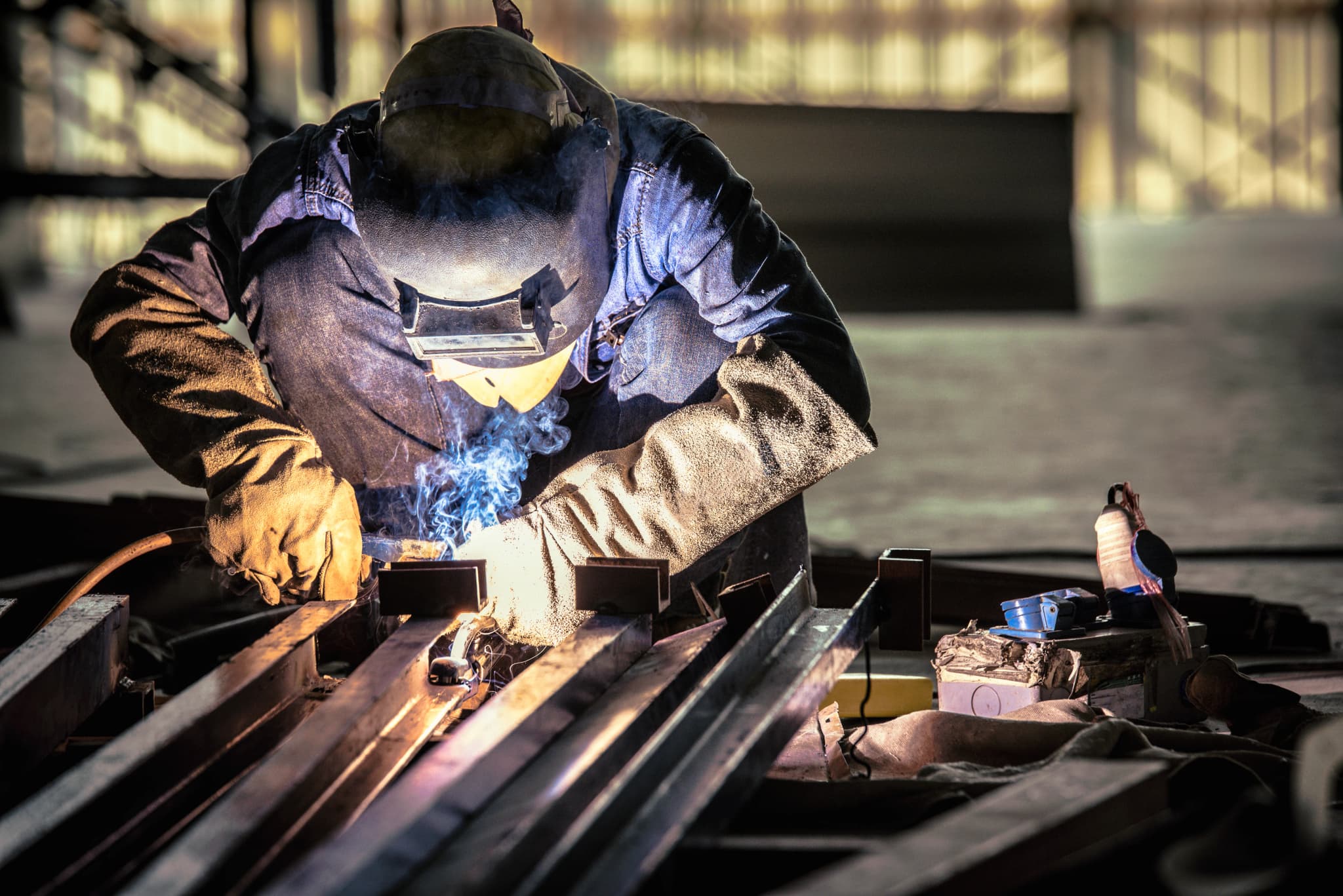
Hot work refers to any operation that involves open flames, sparks, or heat that could ignite flammable materials in the surrounding area. Common in industries like construction, shipbuilding, and manufacturing, hot work includes tasks such as welding, cutting, grinding, soldering, and brazing. Because it presents significant fire hazards, strict safety protocols and permits are required.
Examples of hot work:
- Welding and cutting metal with torches
- Grinding surfaces that produce sparks
- Soldering or brazing with an open flame
- Using heat guns or thermal tools near flammable materials
- Operating machinery that generates high heat or sparks
What Is a Hot Work Permit?
A hot work permit is a written authorization granted before any work that involves open flames, sparks, or high heat. The purpose is to ensure that all necessary safety measures are in place before the work begins, so it does not cause a fire or explosion hazard.
Permanent vs. Temporary Hot Work Sites
- Permanent hot work areas — Specially designed and equipped areas where hot work can be performed safely at all times, with permanent fire safety arrangements. Normally, no separate hot work permit or certificate is required.
- Temporary hot work sites — Places not primarily designed for hot work but where it must be done temporarily — for example, on construction sites, during maintenance, or in industrial shutdowns. At temporary sites, risks are higher: workers must have a valid hot work card/certificate, and a hot work permit must be issued.
Key Elements of a Hot Work Permit
Regardless of the organization, a hot work permit typically includes:
- Risk Assessment — Before issuing a permit, a thorough assessment of the work area is conducted to identify potential fire hazards and determine the necessary precautions.
- Details of the Work — The exact location, type of hot work, duration, and names of individuals performing and supervising the work.
- Safety Precautions — Removing or covering flammable materials, setting up fire-resistant barriers, ensuring availability of fire extinguishing equipment.
- Fire Watch — A dedicated fire watcher is assigned to monitor surroundings during and after the task, continuing for at least 1–2 hours after completion.
- Permit Issuer — A competent person (e.g., site supervisor, safety officer) with a valid hot work card and strong fire safety knowledge.
- Validity and Conditions — The permit is time-bound and specific to a location. It outlines mandatory conditions.
No hot work should begin at a temporary site without a valid permit.
The Hot Work Permit Process
A typical hot work process follows these steps:
- Need Identified — Supervisor or worker identifies the task as hot work. Alternative (non-hot work) methods are considered first.
- Permit Application — A form is filled with job details: task, location, time, workers, fire watch, and safety measures.
- Review and Approval — Permit issuer reviews and confirms risks are assessed and protective measures arranged. Checks that both worker and fire watch have valid hot work cards. Approves with signature or digitally.
- Work Execution — Job is carried out under permit conditions. Fire watch monitors throughout.
- Post-Work Monitoring — Fire watch continues supervision for 1–2 hours after completion.
- Permit Closure — Once safe, the permit is closed and archived, with observations noted.
Legislation and Standards
Finland
- Rescue Act (379/2011) — Requires adequate precautions to prevent fires during hot work. Employers must ensure permit and supervision procedures are in place.
- Hot Work Card (SPEK) — A 5-year qualification required for workers performing hot work and often for permit issuers. Developed by the Finnish National Rescue Association (SPEK).
- SFS 5900 Standard — National guidelines for fire safety in hot work, defining permanent vs. temporary sites and specifying permit content.
- Insurance company rules — Policies often require written permits and safety compliance. Failure to follow conditions can reduce or void compensation.
United States (OSHA / NFPA)
- OSHA 29 CFR 1910.252 — Regulations on welding, cutting, and brazing include requirements for fire prevention, hot work permits, and safety measures.
- OSHA 29 CFR 1926.352 — Specific to construction, addresses fire prevention in hot work, including fire watches and proper ventilation.
- NFPA 51B — Standard specifically addressing fire prevention during welding, cutting, and other hot work. Outlines requirements for permits, fire watches, and safe practices.
European Union
- Directive 89/391/EEC (Framework Directive) — Requires employers to assess risks and implement preventive measures, which includes hot work procedures.
- National implementations vary by country, but all require risk assessment and safety controls for hot work.
Challenges with Paper Permits
- Information gaps — Updates (e.g., extended work time) may not reach all parties.
- Monitoring — Supervisors cannot easily see all active hot work permits across the site.
- Archiving — Finding old permits for audits or investigations is difficult.
- Human error — Handwritten forms may be incomplete, unclear, or missing signatures.
Benefits of Digital Hot Work Permits
Digital permit systems solve these challenges:
- Real-time visibility — Everyone can see permit status on mobile or computer.
- Faster approval — Digital forms and remote approvals save time.
- Improved safety — Built-in reminders ensure critical checks are completed.
- Better documentation — All permits stored in one place, searchable by date, site, or type.
- Data insights — Track frequency of hot work and identify high-risk areas.
- Enhanced accuracy — Automated workflows ensure all required fields are completed accurately.
Summary: Hot Work Permits as a Cornerstone of Safety
Hot work permits ensure that hazardous jobs are carried out in a controlled and safe manner. They protect workers, property, and the environment from fire risks. Strict practices — training, written permits, and safety measures — have proven effective in preventing accidents worldwide.
Careful permit management is part of building a strong safety culture. When employees see that high-risk work is treated with discipline and seriousness, safety awareness improves across all operations.
Tip: Digital permit solutions make hot work management smoother, faster, and better documented. Gate Apps provides a secure and user-friendly solution for managing hot work permits and other types of permits. Book a demo to see it in action.
Related Glossary Terms
Hot Work Permit
A hot work permit is required for activities that generate heat, sparks, or flames, such as welding or cutting. These ac...
Permit to Work (PTW)
A Permit to Work is a formal control process used to manage hazardous work activities in industrial environments. It ens...
Job Safety Analysis (JSA)
A Job Safety Analysis is a structured process used to break down a task into individual steps and identify hazards assoc...
Gas Testing
Gas testing involves measuring the presence of hazardous gases in the environment before and during work. It ensures tha...
PPE
Personal Protective Equipment (PPE) encompasses all equipment, clothing, and devices worn or used by workers to protect ...